 Home
Home
 What's going on?
 Biography
 Ethos
Ethos
 Lists
Lists
 Newsletter
 Visual Art
 Writing
 Teaching
 Programming, Speaking
 Young Kameelah
 Press
Press
 Contact
 Colophon
︎ [consult] Orange Tangent Study ︎ [learning community] Little Octopus School ︎ [libraries, archives, infodumps] Gather & Disperse ︎ [publishing, software] Scratch Disk Full

She stewards KJR Studios , where she studies the poetics and politics of non-compliance and disobedience across written , spoken , and visual communication systems. She makes ( language-saturated installations ) , ( film/video ) , ( performance-adjacent improvisational artist talks ) , ( libraries ) , ( software ) , ( paranormal fiction stories and loglines ) , ( learning environments ) , ( stand-up comedy sets ) , ( wayward translations ) , ( devotional kits ) , ( walking paths ) , ( theremin scores ) , and ( photographs )



[A]: Rasheed, Kameelah Janan (2021)
I mean learning as a process of radical slowing down/deceleration in the context of almost compulsory acceleration under the current conditions; an attentiveness to a velocity that allows for a patient and close reading; an engagement with curiosity, serendipity, improvisation, and tangents. Learning is a persistent reminder of the shifting ecologies of what it means to know something.
︎
︎
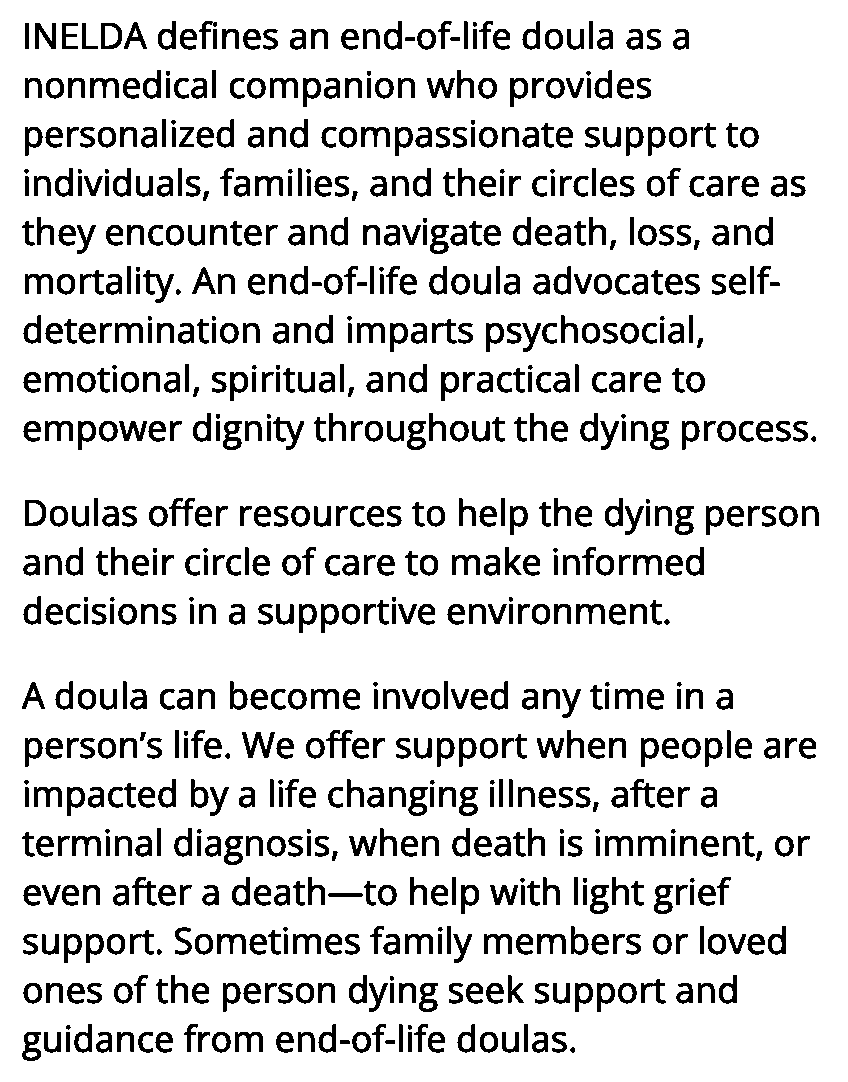
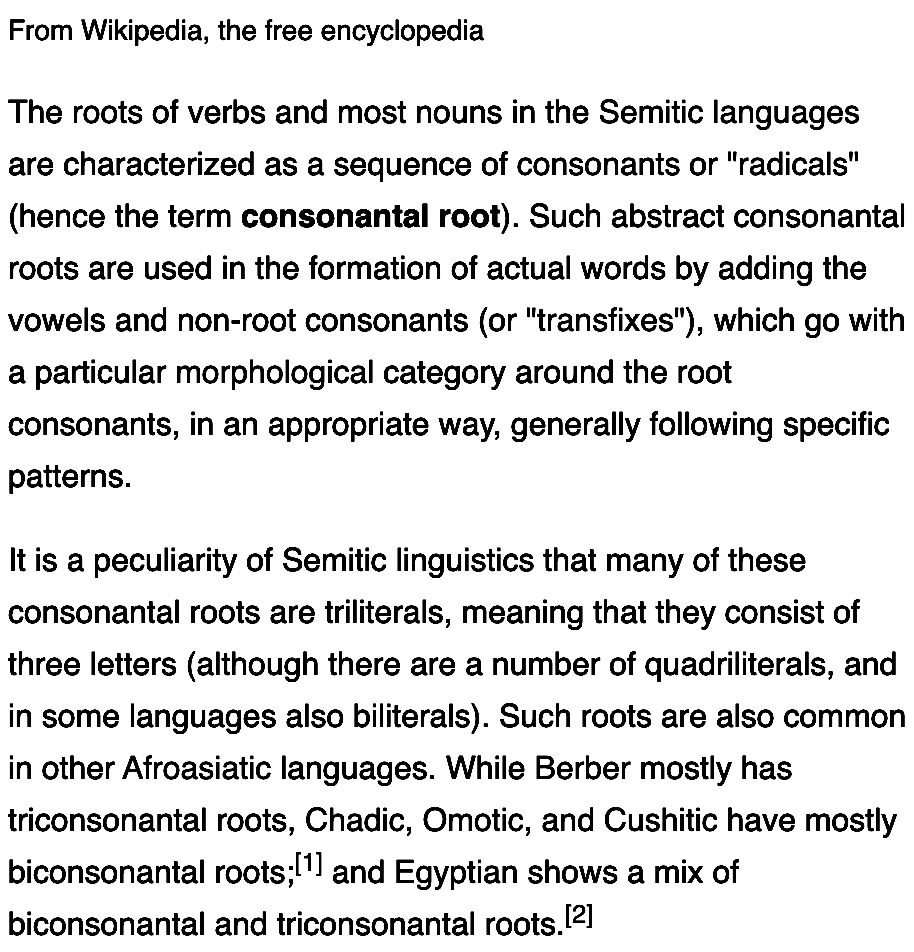
[C1]: “Semitic Root,” Wikipedia, last modified November 14, 2025, https://en.wikipedia.org/wiki/Semitic_root
︎
[C2]: “Project Root List,” StudyQuran, accessed November 16, 2025, https://studyquran.org/PRL/PRLonline.htm
︎
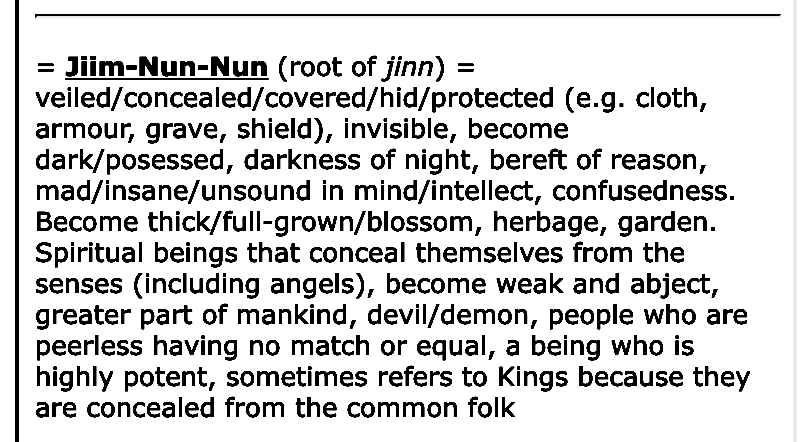
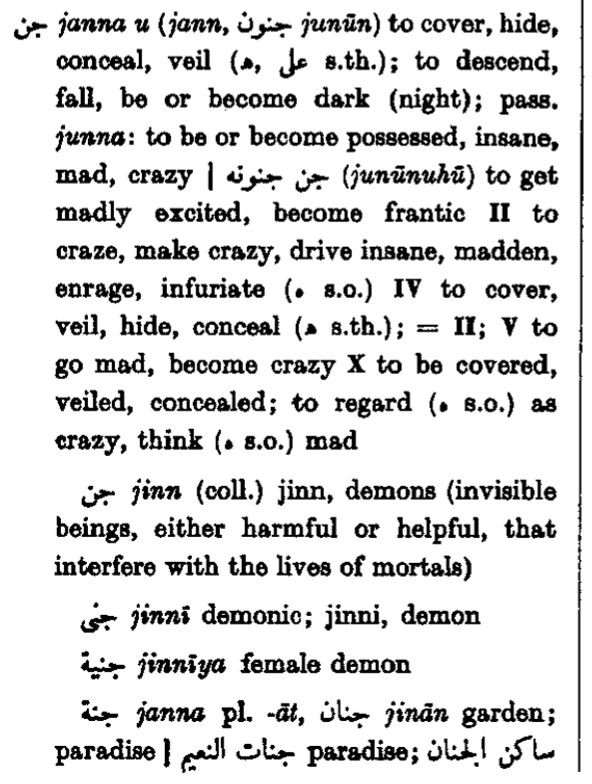
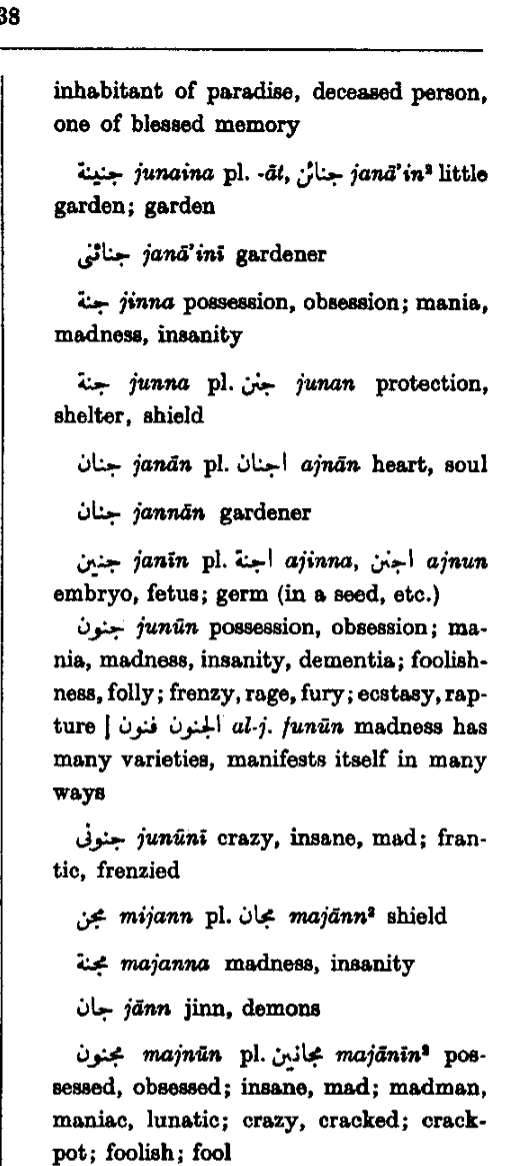
[C3]: Wehr, Hans. A Dictionary of Modern Written Arabic: Arabic-English. 4th rev. ed. Edited by J. Milton Cowan. Ithaca, NY: Spoken Language Services, Inc., 1976.
︎
[D1]: Lispector, Clarice. Água Viva. United States: New Directions, 2012.

[D2]: Acheampong, Michelle, “Kameelah Janan Rasheed on Learning and Unlearning,” Art in America, July 1, 2021.
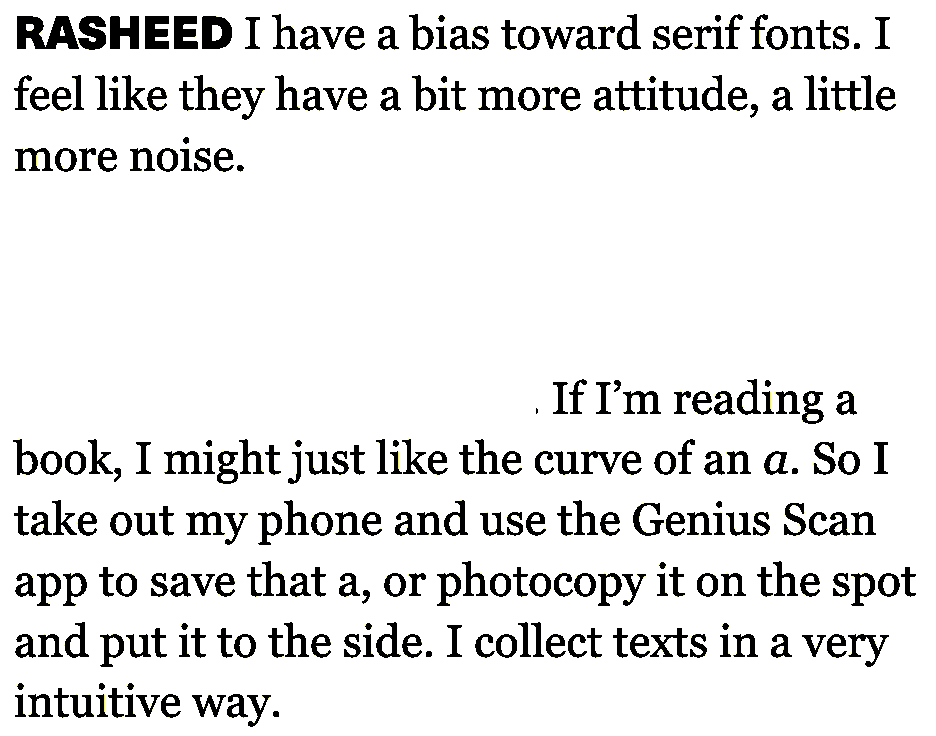
[D3]: Syllables of Velvet” and “Sentences of Plush” in Emily Elizabeth Dickinson’s 1862 letter to Eudocia C. Flynt.
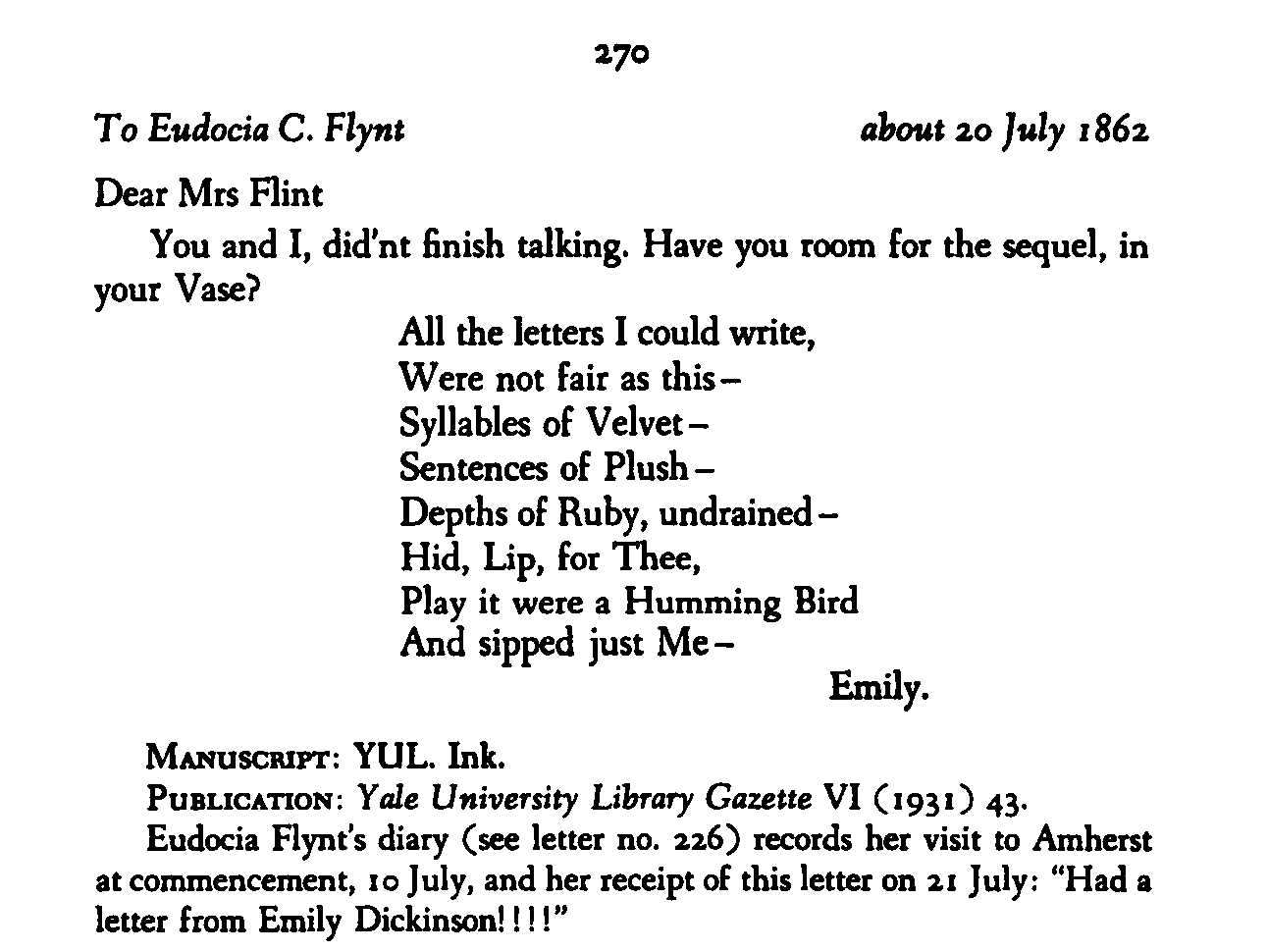
[D4]: Rasheed, Kameelah Janan (2023)
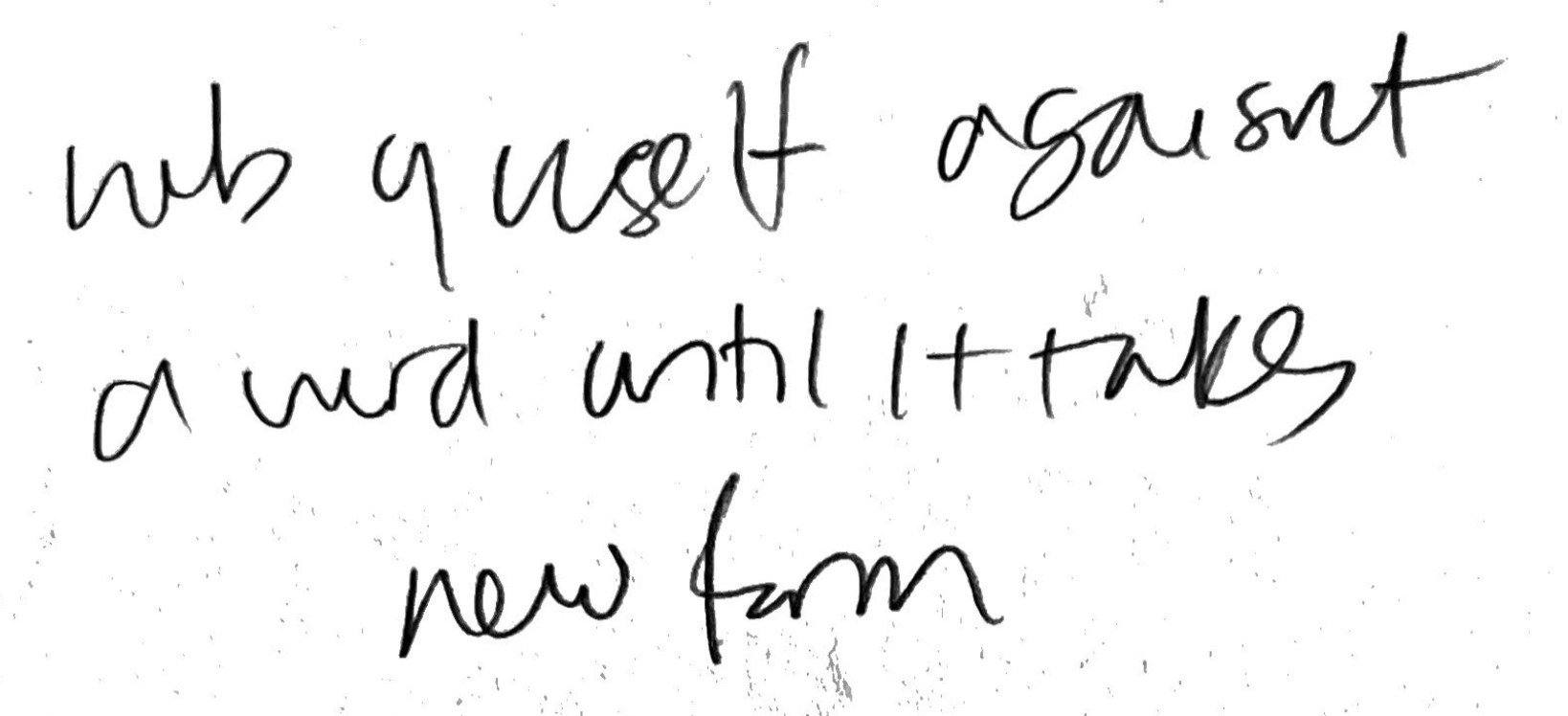
︎
[E1]: Hartman, Saidiya. Wayward Lives, Beautiful Experiments: Intimate Histories of Riotous Black Girls, Troublesome Women, and Queer Radicals. United States: W. W. Norton, 2019.; Emily Elizabeth Dickinson’s Letters (The Atlantic, 1862, L271 and L265)

︎
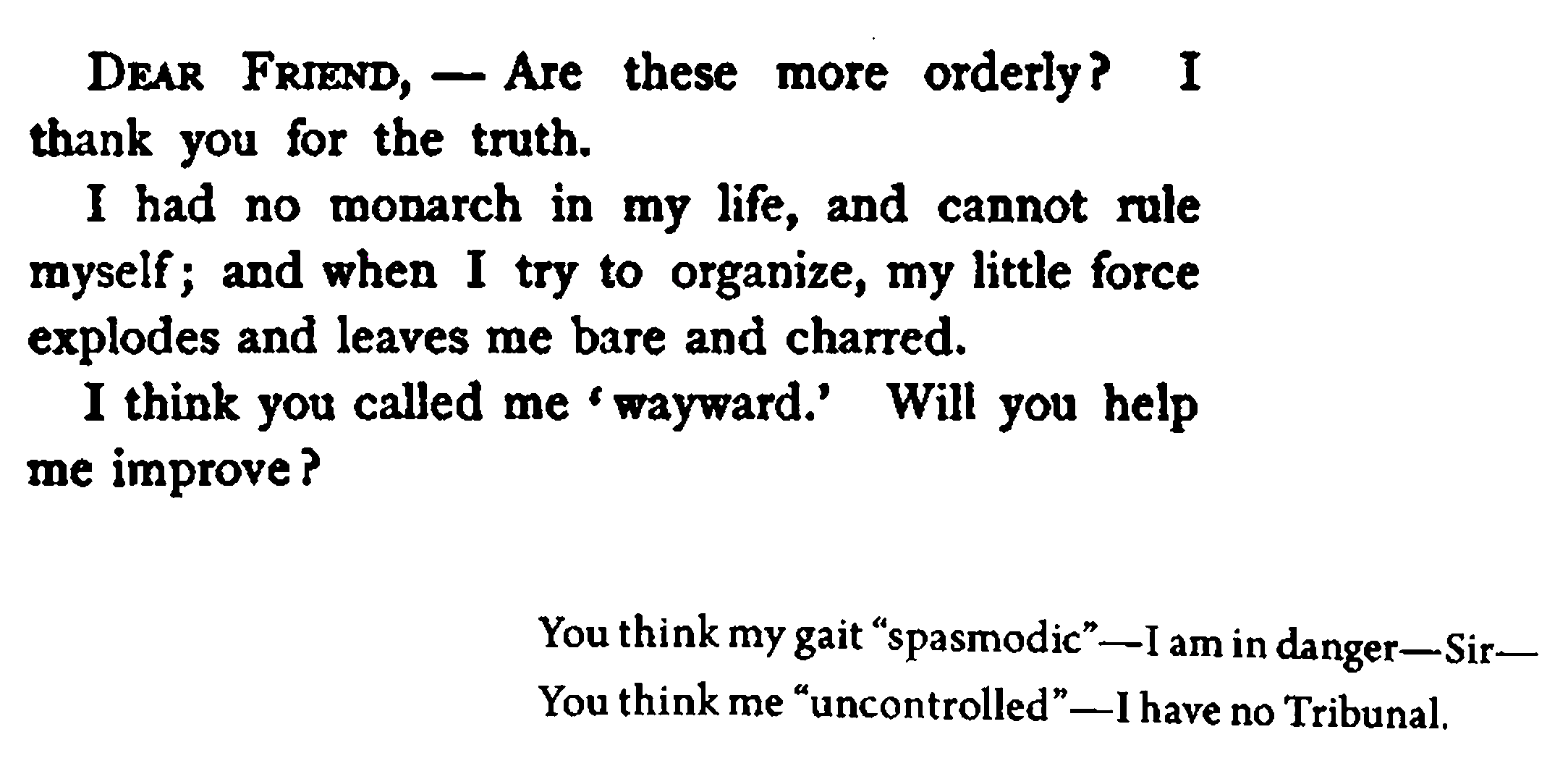
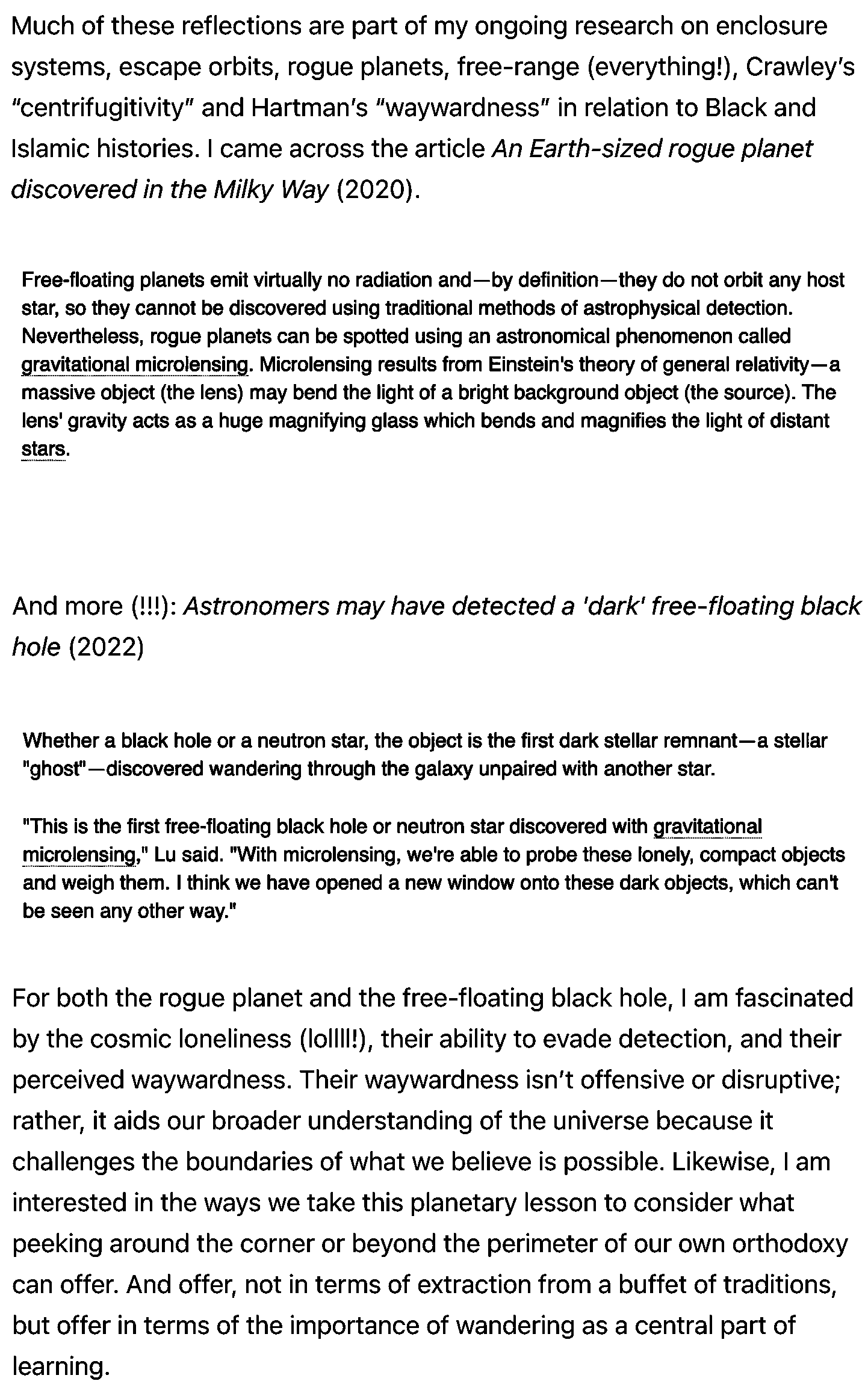
[E2]: Rasheed, Kameelah Janan (2023; 2021)
︎

︎
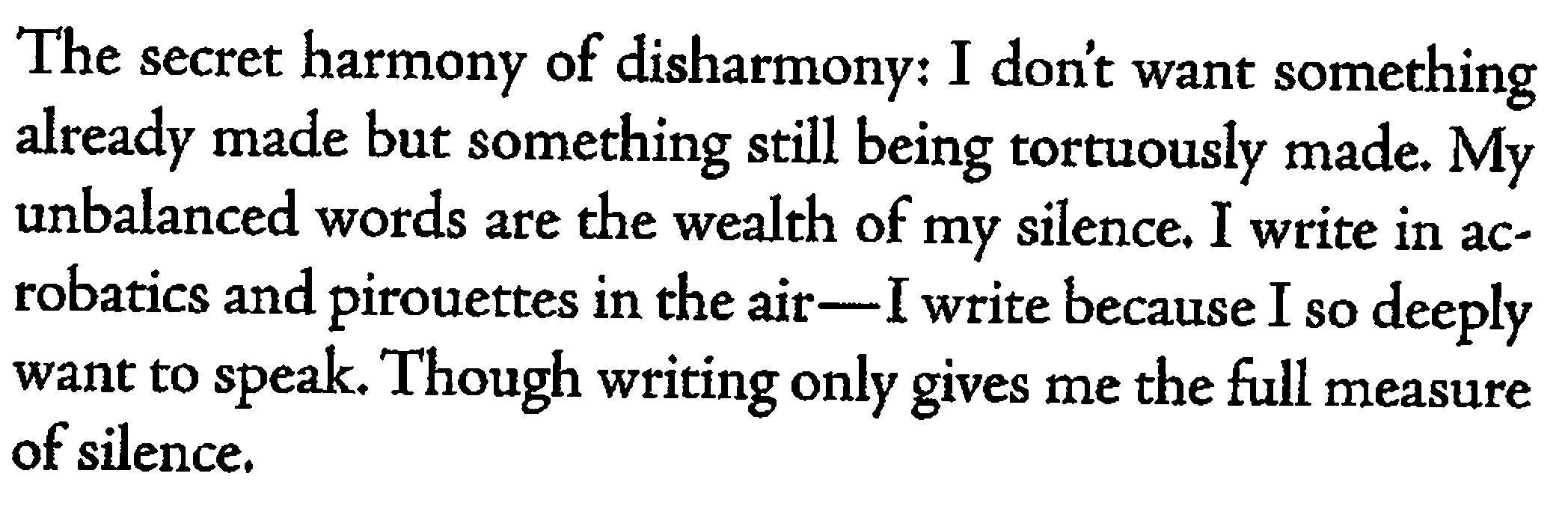
[F]: Lispector, Clarice. Água Viva. United States: New Directions, 2012.
︎
[G]: Emily Elizabeth Dickinson’s Letters (The Atlantic, 1862, L271 and L265)
︎
[H]: Renee Gladman and Fred Moten: One Long Black Sentence. United States: Image Text Ithaca, 2020.

︎
[I]: Imamura, “Escape Velocity,” last modified (n.d.), University of Oregon, accessed November 15, 2025, https://pages.uoregon.edu/imamura/121/lecture-4/escape.html

︎
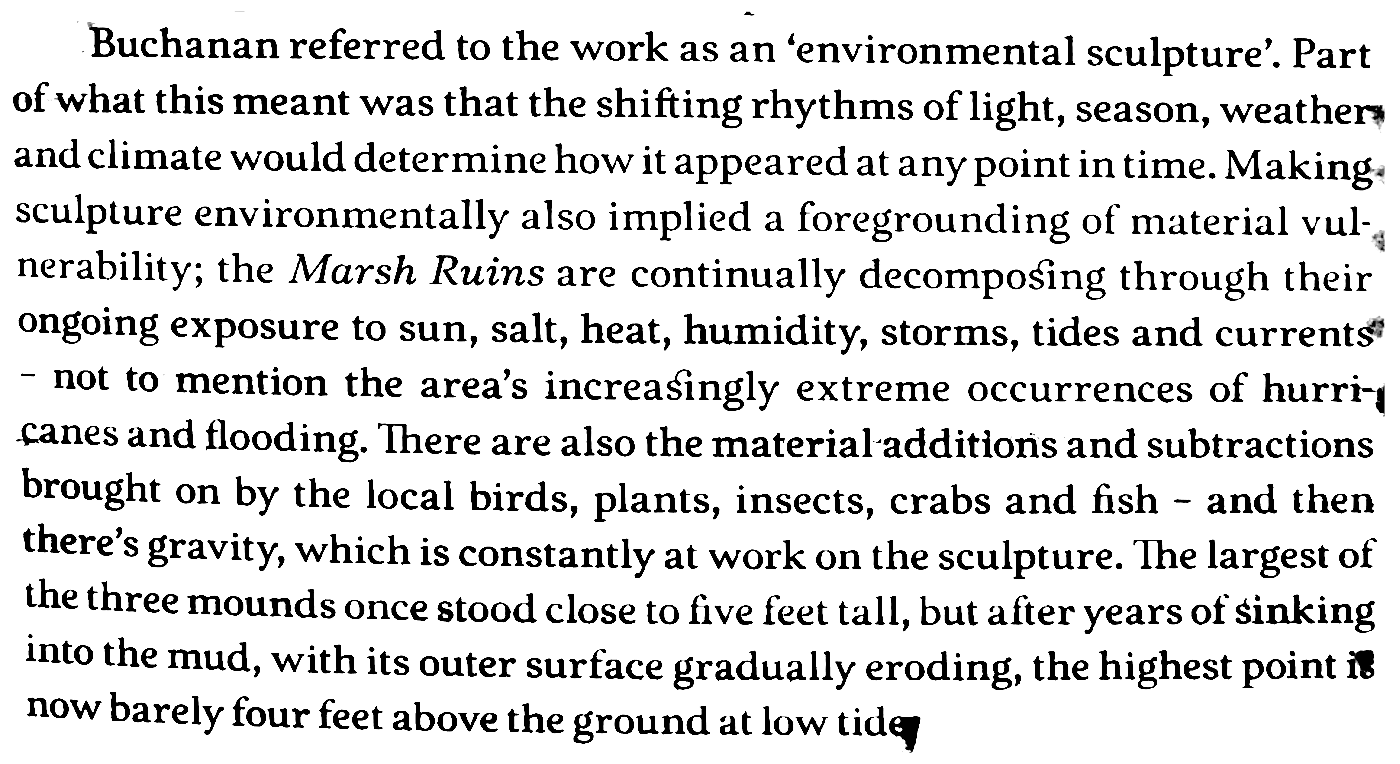
[J]: Groom, Amelia. Beverly Buchanan: Marsh Ruins. United Kingdom: MIT Press, 2021.
︎
[K]: Rasheed, Kameelah Janan (2020)

︎
[L]: Gladman, Renee. Calamities. United States: Wave Books, 2020.
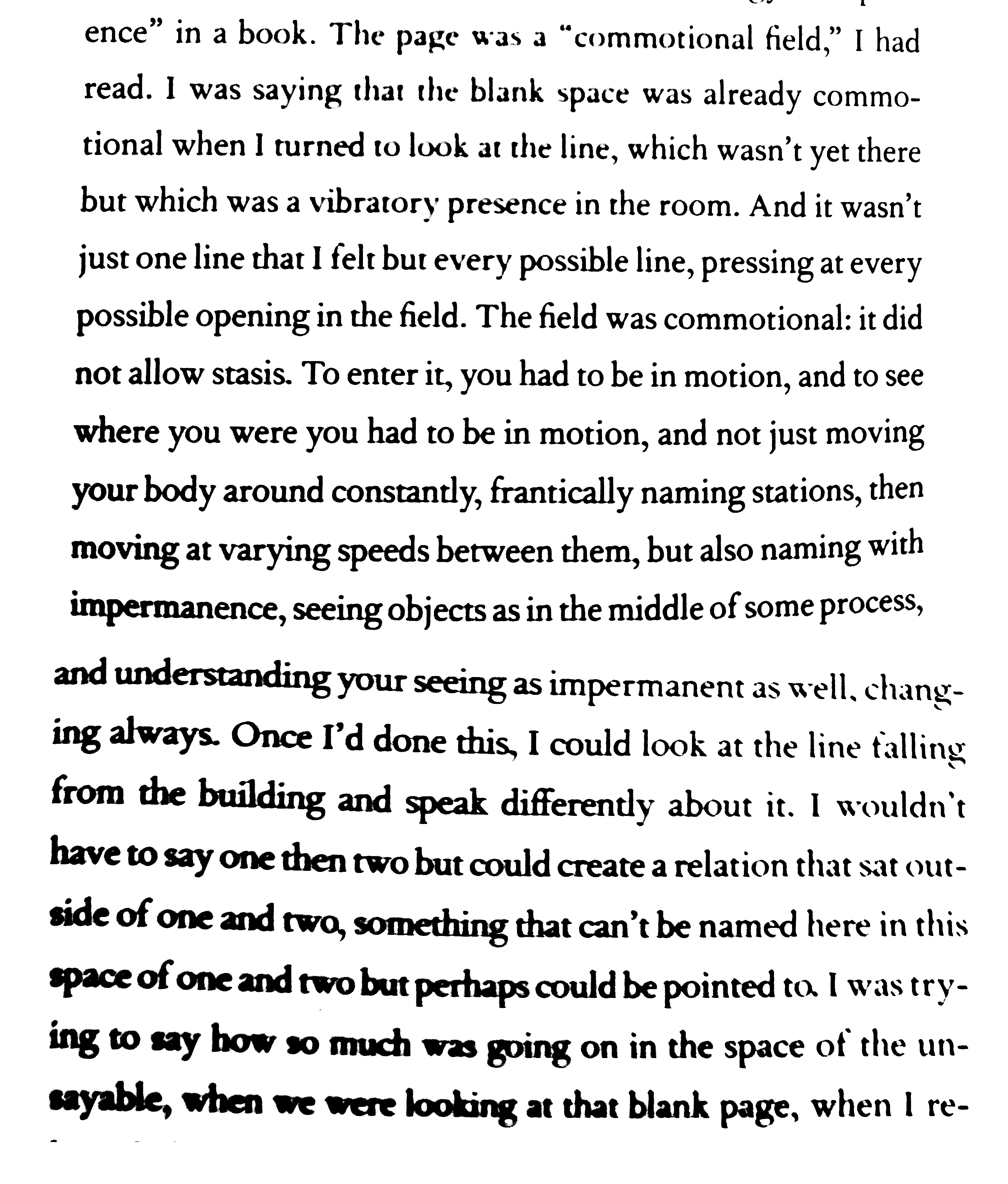 While texting with a friend (writer Zoe Hopkins) and interlocutor for another project, I mentioned that the compositional field of Google Docs felt restrictive. I wanted to swell beyond the compositional field of the word processor, as I wanted to exceed the page, so I went to the walls. Across three frantic messages, I shared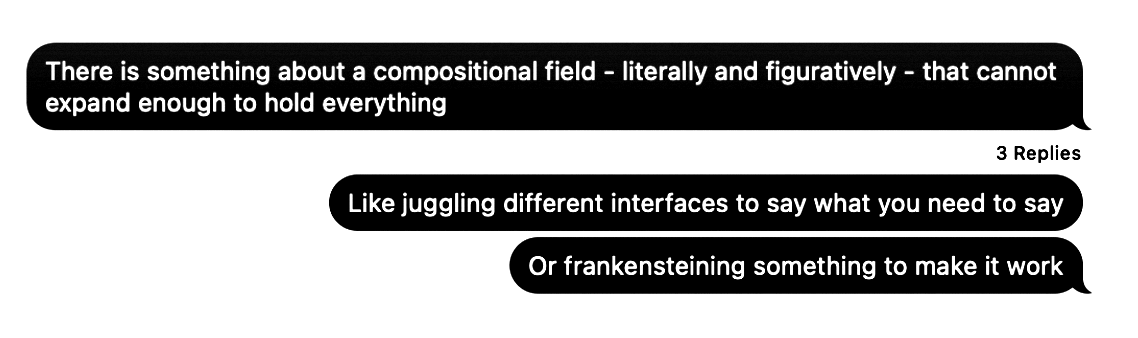
In this meandering, she asked if I’d heard of Renee Gladman’s “commotional field” in Calamities (2016). I had not. To be honest, I felt betrayed, not from this friend, but of myself. I’d purchased Calamities years ago, and in working my way through a stack of books, I had not reached the shore of this text. I grabbed the book off my “need to read” shelf and began to read frantically. The commotion is riotous and disobedient. The compositional field refuses to settle. A compositional field speaks to the environment in which the writing occurs. Gladman’s articulation is almost an exponential expansion – that the compositional field has energy and affordances.
︎
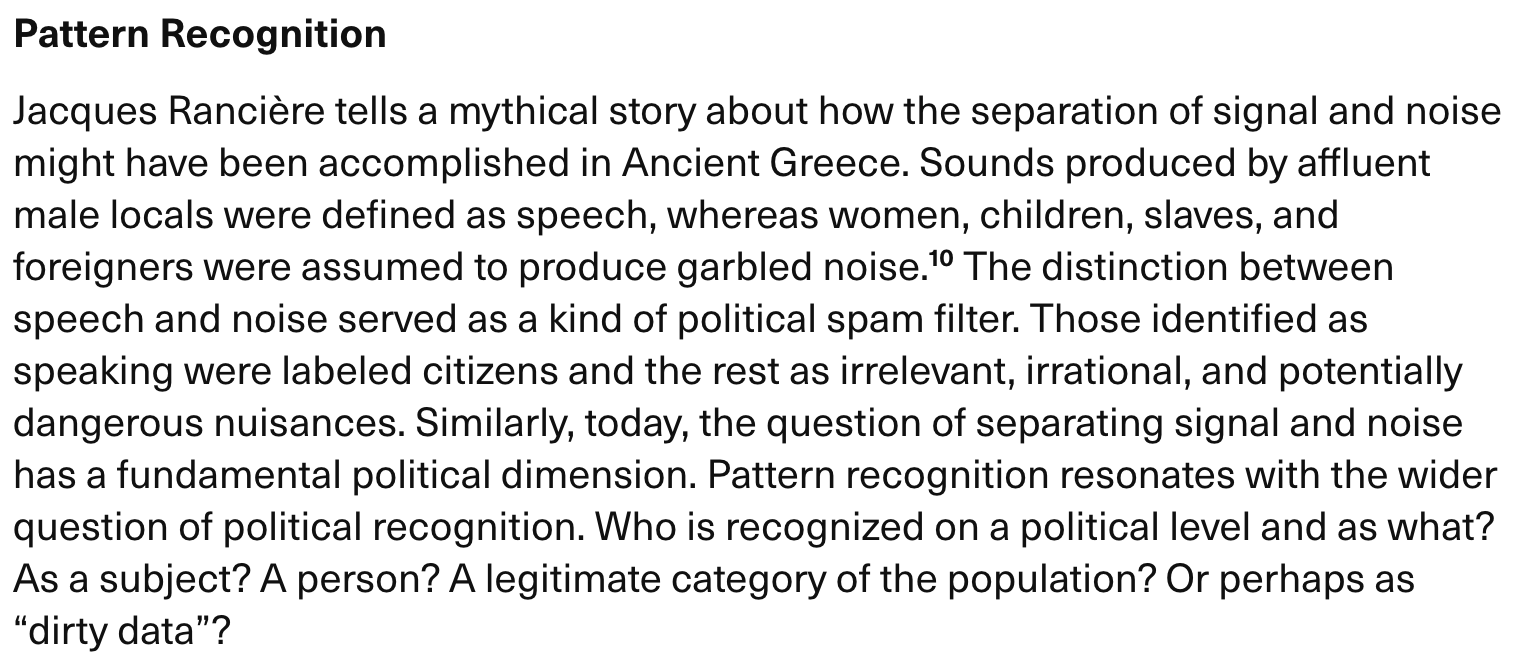
[M]: Steyerl, Hito. “A Sea of Data: Apophenia and Pattern (Mis-)Recognition.” E-Flux, April 2016.
︎
[N]:

︎
︎
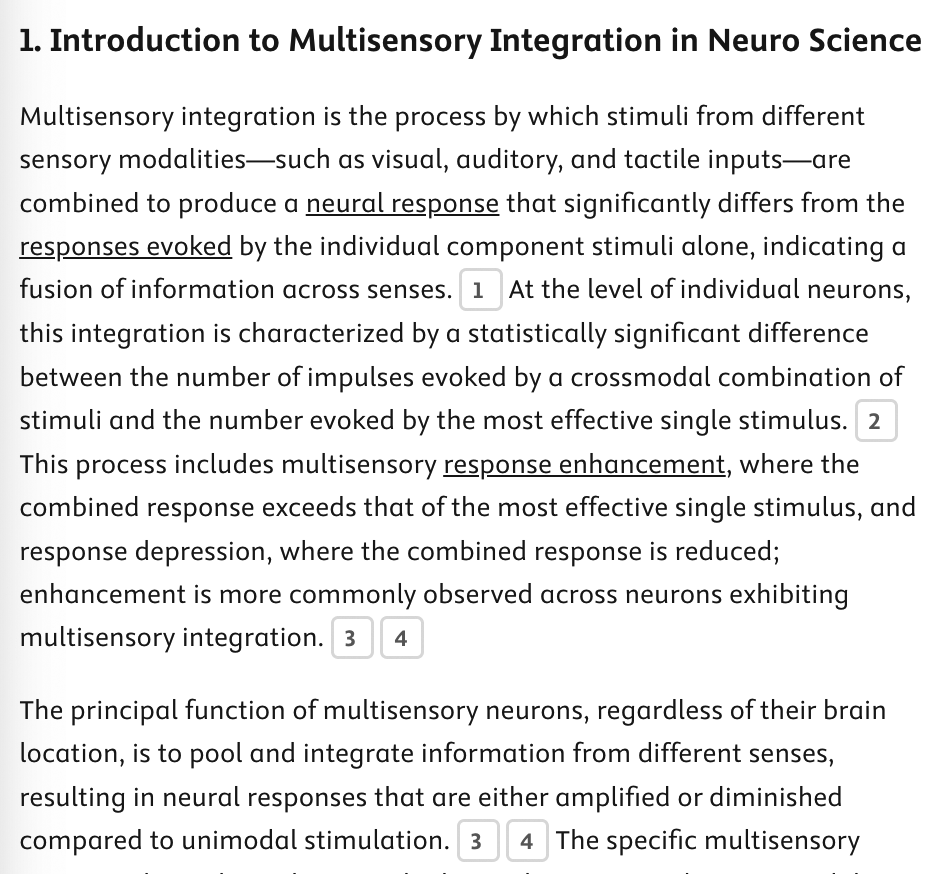
[P]: “Multisensory integration — Neuroscience.” ScienceDirect. Accessed December 1, 2025. https://www.sciencedirect.com/topics/neuroscience/multisensory-integration.
[A]: Rasheed, Kameelah Janan (2021)
I mean learning as a process of radical slowing down/deceleration in the context of almost compulsory acceleration under the current conditions; an attentiveness to a velocity that allows for a patient and close reading; an engagement with curiosity, serendipity, improvisation, and tangents. Learning is a persistent reminder of the shifting ecologies of what it means to know something.
︎
︎
[C1]: “Semitic Root,” Wikipedia, last modified November 14, 2025, https://en.wikipedia.org/wiki/Semitic_root
︎
[C2]: “Project Root List,” StudyQuran, accessed November 16, 2025, https://studyquran.org/PRL/PRLonline.htm
︎
[C3]: Wehr, Hans. A Dictionary of Modern Written Arabic: Arabic-English. 4th rev. ed. Edited by J. Milton Cowan. Ithaca, NY: Spoken Language Services, Inc., 1976.
︎
[D1]: Lispector, Clarice. Água Viva. United States: New Directions, 2012.
[D2]: Acheampong, Michelle, “Kameelah Janan Rasheed on Learning and Unlearning,” Art in America, July 1, 2021.
[D3]: Syllables of Velvet” and “Sentences of Plush” in Emily Elizabeth Dickinson’s 1862 letter to Eudocia C. Flynt.
[D4]: Rasheed, Kameelah Janan (2023)
︎
[E1]: Hartman, Saidiya. Wayward Lives, Beautiful Experiments: Intimate Histories of Riotous Black Girls, Troublesome Women, and Queer Radicals. United States: W. W. Norton, 2019.; Emily Elizabeth Dickinson’s Letters (The Atlantic, 1862, L271 and L265)
︎
[E2]: Rasheed, Kameelah Janan (2023; 2021)
︎
︎
[F]: Lispector, Clarice. Água Viva. United States: New Directions, 2012.
︎
[G]: Emily Elizabeth Dickinson’s Letters (The Atlantic, 1862, L271 and L265)
︎
[H]: Renee Gladman and Fred Moten: One Long Black Sentence. United States: Image Text Ithaca, 2020.
︎
[I]: Imamura, “Escape Velocity,” last modified (n.d.), University of Oregon, accessed November 15, 2025, https://pages.uoregon.edu/imamura/121/lecture-4/escape.html
︎
[J]: Groom, Amelia. Beverly Buchanan: Marsh Ruins. United Kingdom: MIT Press, 2021.
︎
[K]: Rasheed, Kameelah Janan (2020)
︎
[L]: Gladman, Renee. Calamities. United States: Wave Books, 2020.
While texting with a friend and interlocutor for another project, I mentioned that the compositional field of Google Docs felt restrictive. I wanted to swell beyond the compositional field of the word processor, as I wanted to exceed the page, so I went to the walls. Across three frantic messages, I shared In this meandering, she asked if I’d heard of Renee Gladman’s “commotional field” in Calamities (2016). I had not. To be honest, I felt betrayed, not from this friend, but of myself. I’d purchased Calamities years ago, and in working my way through a stack of books, I had not reached the shore of this text. I grabbed the book off my “need to read” shelf and began to read frantically. The commotion is riotous and disobedient. The compositional field refuses to settle. A compositional field speaks to the environment in which the writing occurs. Gladman’s articulation is almost an exponential expansion – that the compositional field has energy and affordances.
︎
[M]: Steyerl, Hito. “A Sea of Data: Apophenia and Pattern (Mis-)Recognition.” E-Flux, April 2016.
︎
[N]:
︎
︎
[P]: “Multisensory integration — Neuroscience.” ScienceDirect. Accessed December 1, 2025. https://www.sciencedirect.com/topics/neuroscience/multisensory-integration.