[1]: Rasheed, Kameelah Janan (2021)
I mean learning as a process of radical slowing down/deceleration in the context of almost compulsory acceleration under the current conditions; an attentiveness to a velocity that allows for a patient and close reading; an engagement with curiosity, serendipity, improvisation, and tangents. Learning is a persistent reminder of the shifting ecologies of what it means to know something.

︎
[2]:
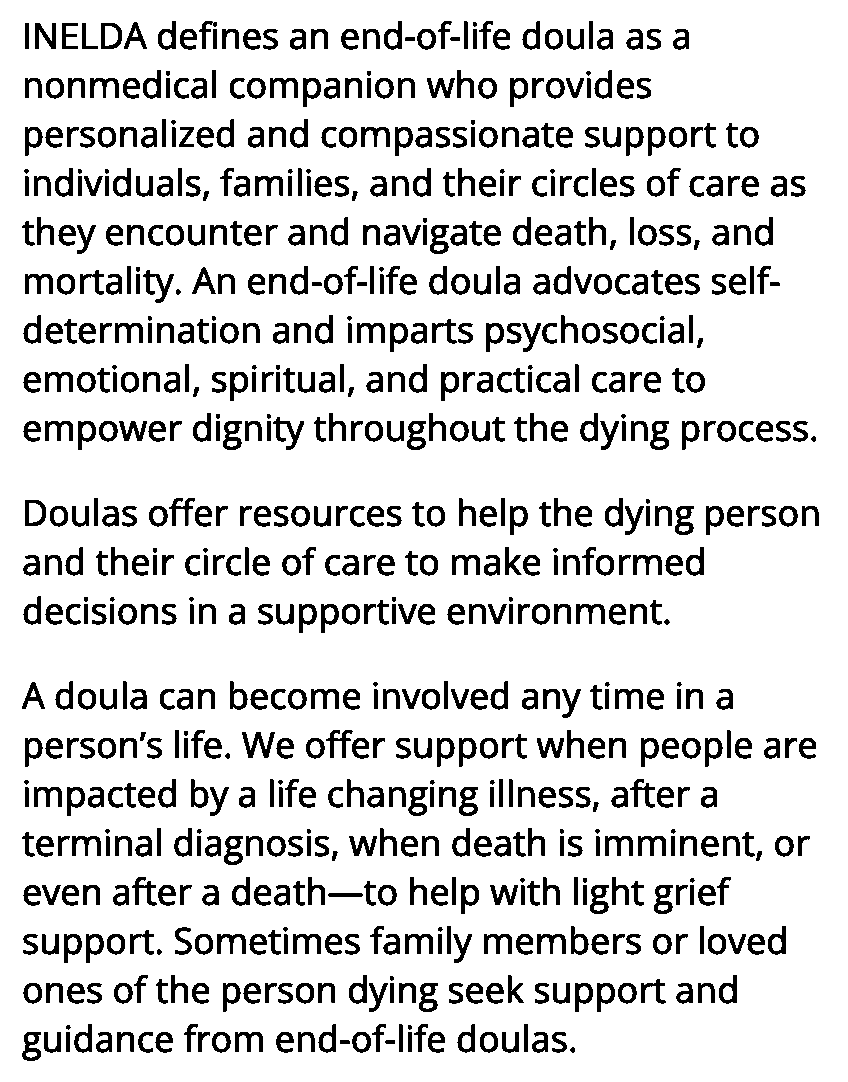
International End of Life Doula Association. “What Is an End-of-Life Doula?” last modified 2023? (accessed November 15, 2025). https://inelda.org/about-doulas/what-is-a-doula/
︎
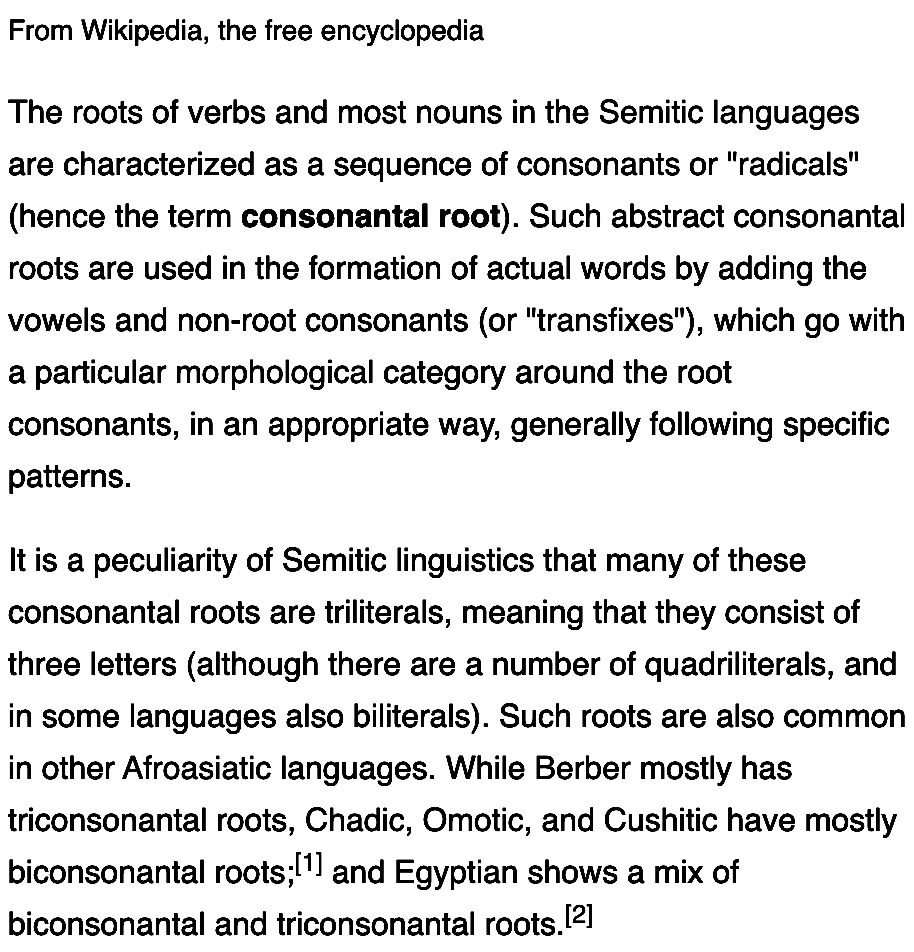
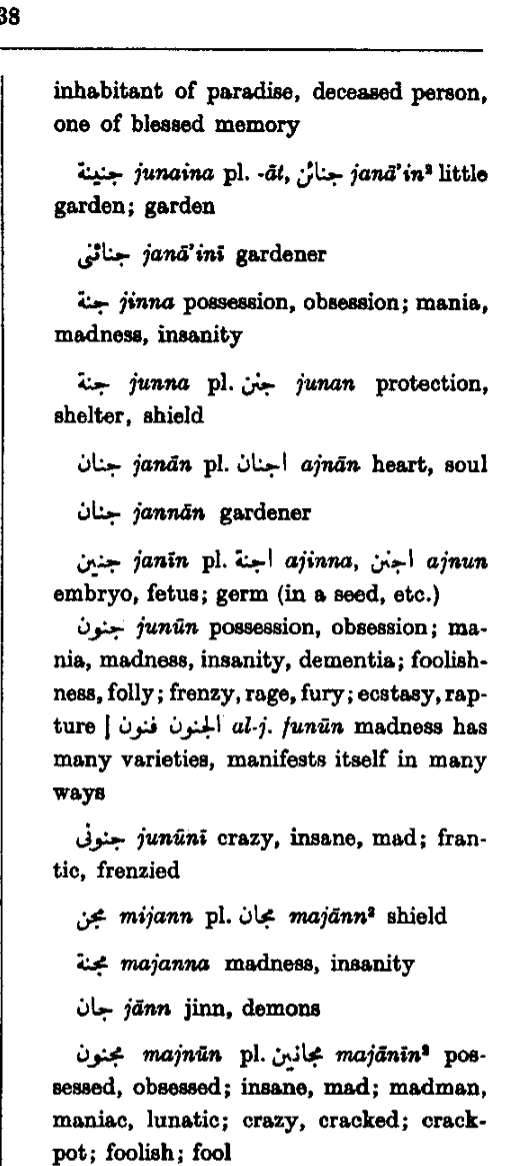
[3a]: “Semitic Root,” Wikipedia, last modified November 14, 2025, https://en.wikipedia.org/wiki/Semitic_root
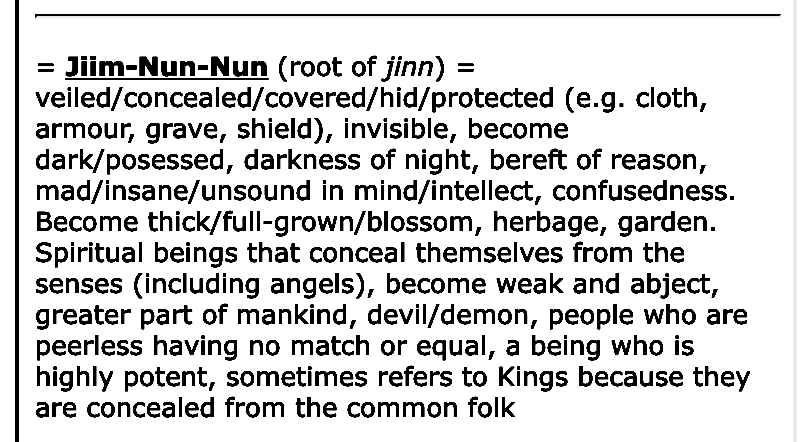
[3b]: “Project Root List,” StudyQuran, accessed November 16, 2025, https://studyquran.org/PRL/PRLonline.htm
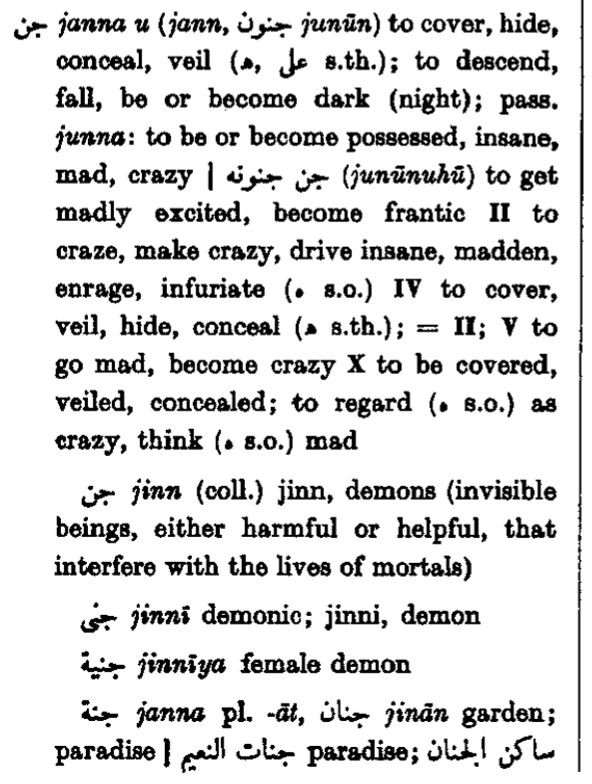
[3c]: Wehr, Hans. A Dictionary of Modern Written Arabic: Arabic-English. 4th rev. ed. Edited by J. Milton Cowan. Ithaca, NY: Spoken Language Services, Inc., 1976.
︎
[4a]: Lispector, Clarice. Água Viva. United States: New Directions, 2012.
![]()
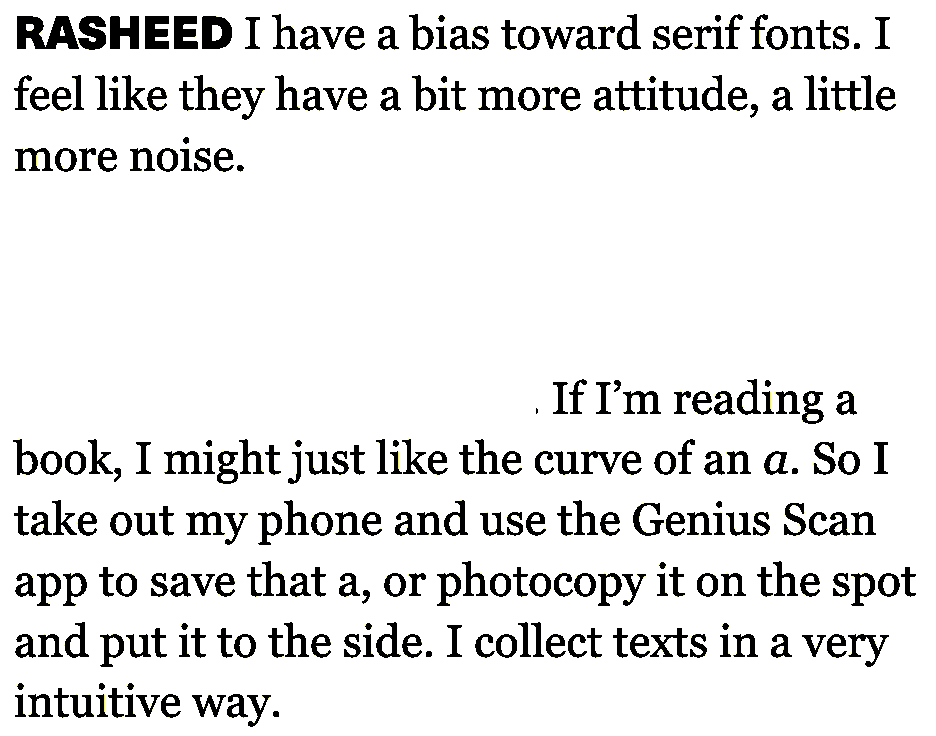
[4b]: Acheampong, Michelle, “Kameelah Janan Rasheed on Learning and Unlearning,” Art in America, July 1, 2021.

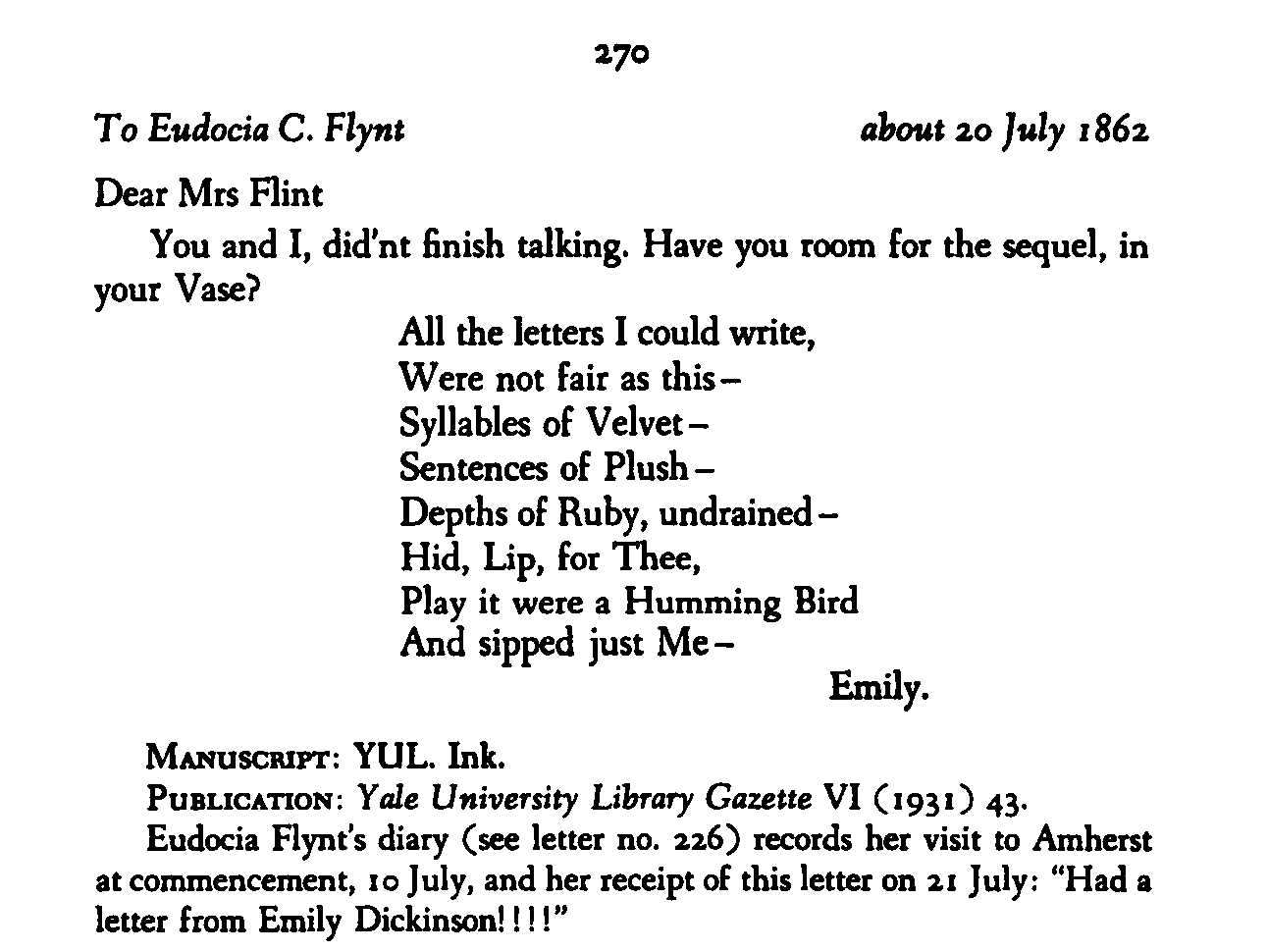
[4c]: Syllables of Velvet” and “Sentences of Plush” in Emily Elizabeth Dickinson’s 1862 letter to Eudocia C. Flynt.
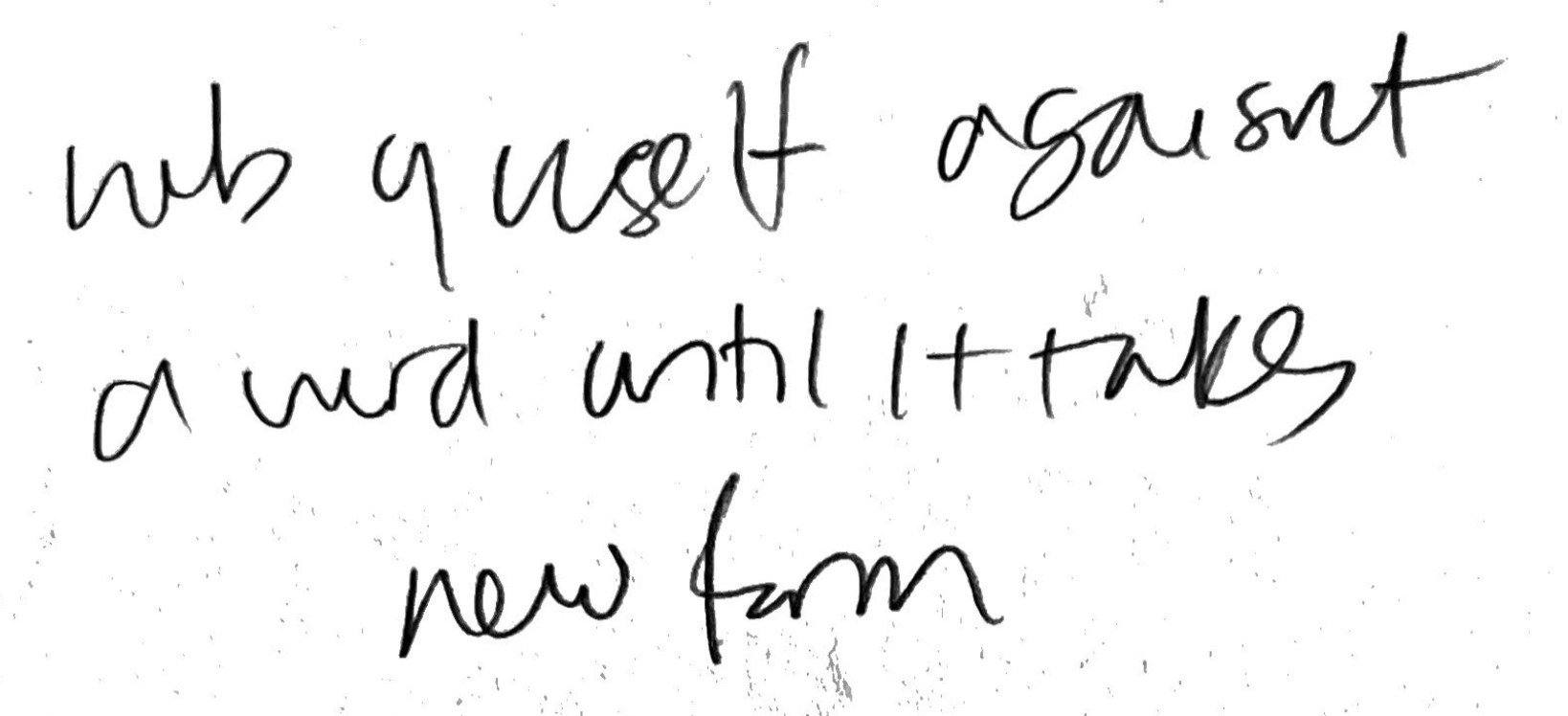
[4d]: Rasheed, Kameelah Janan (2023)
︎
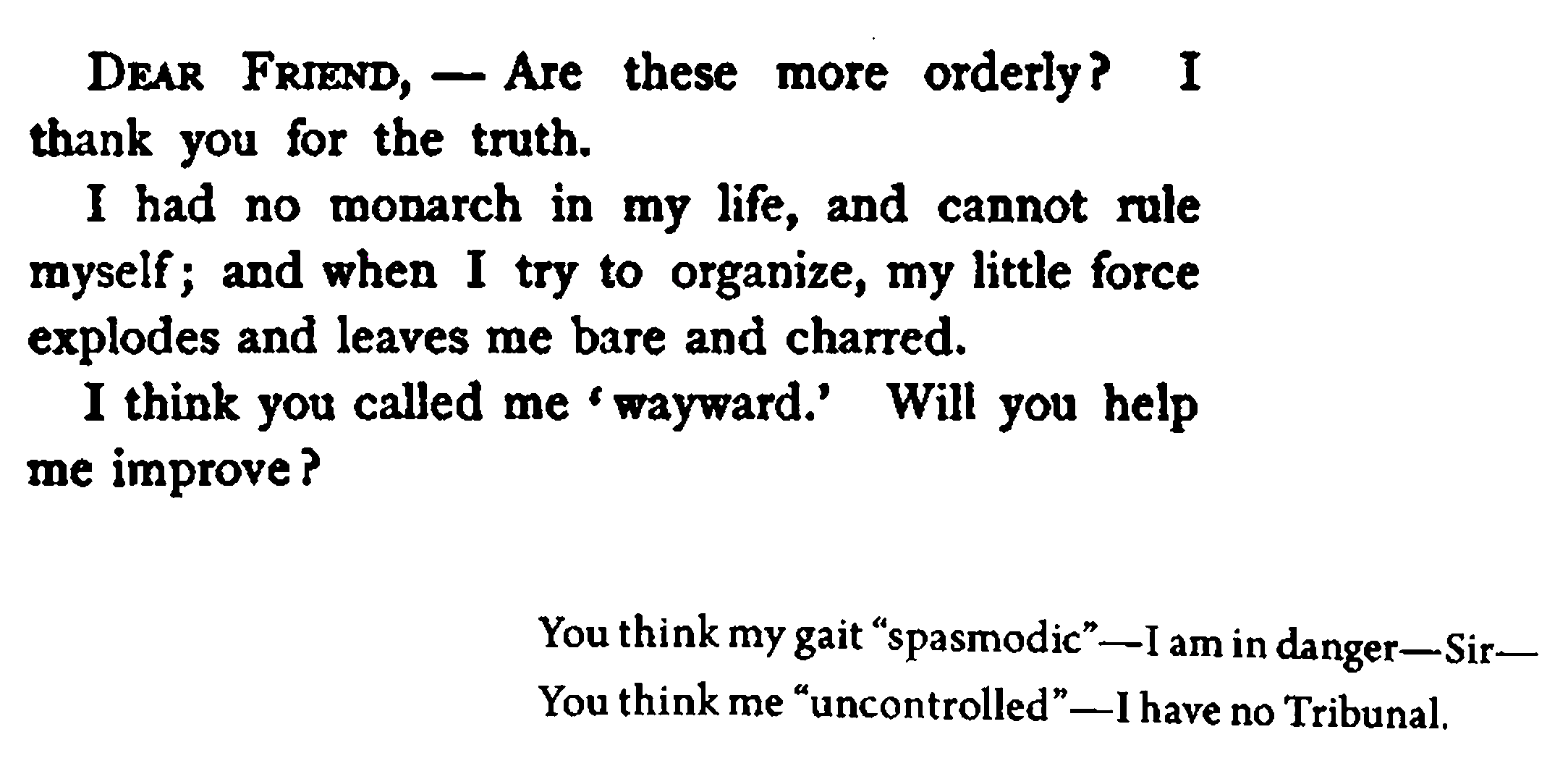
[5a]: Hartman, Saidiya. Wayward Lives, Beautiful Experiments: Intimate Histories of Riotous Black Girls, Troublesome Women, and Queer Radicals. United States: W. W. Norton, 2019.; Emily Elizabeth Dickinson’s Letters (The Atlantic, 1862, L271 and L265)

︎
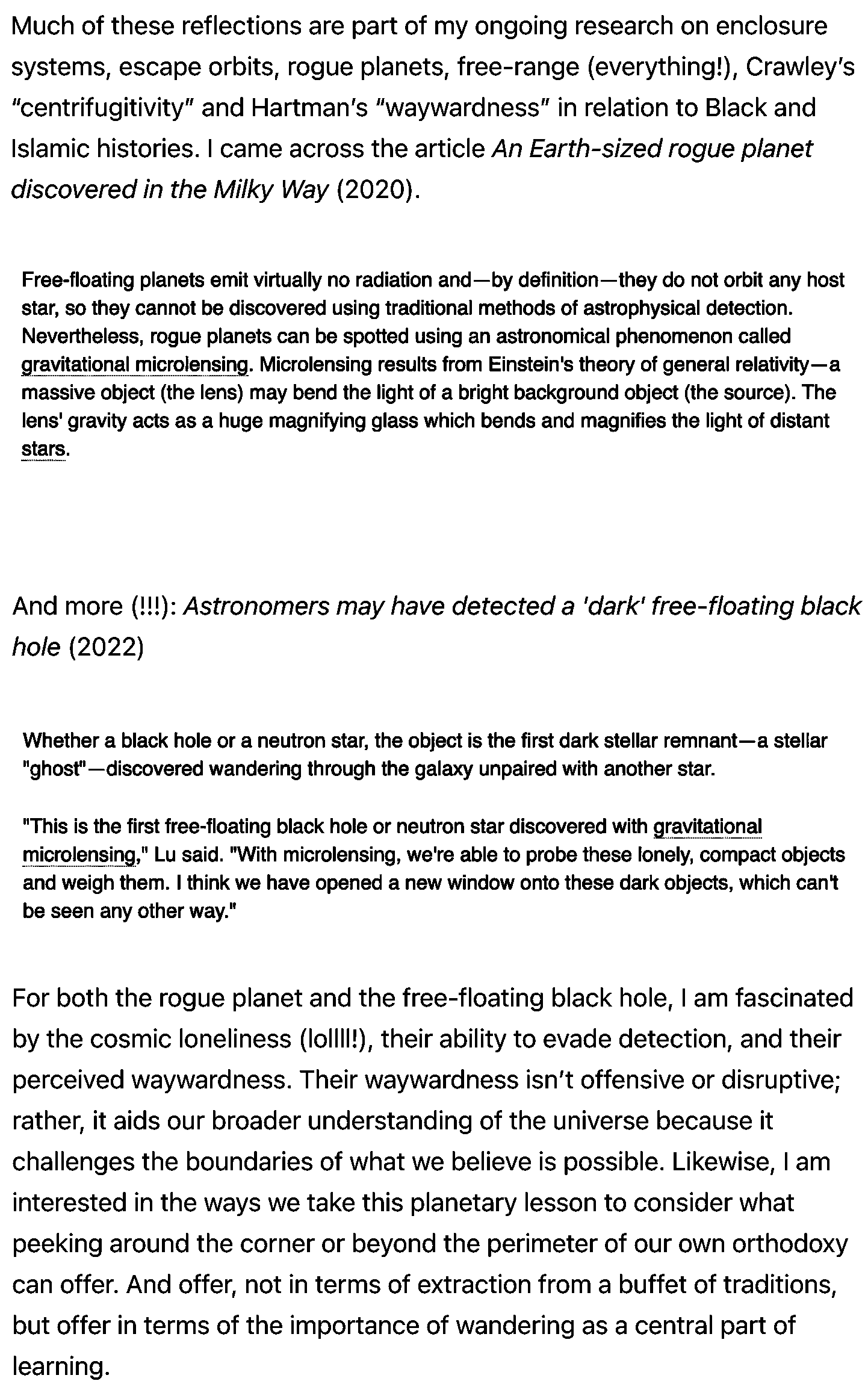
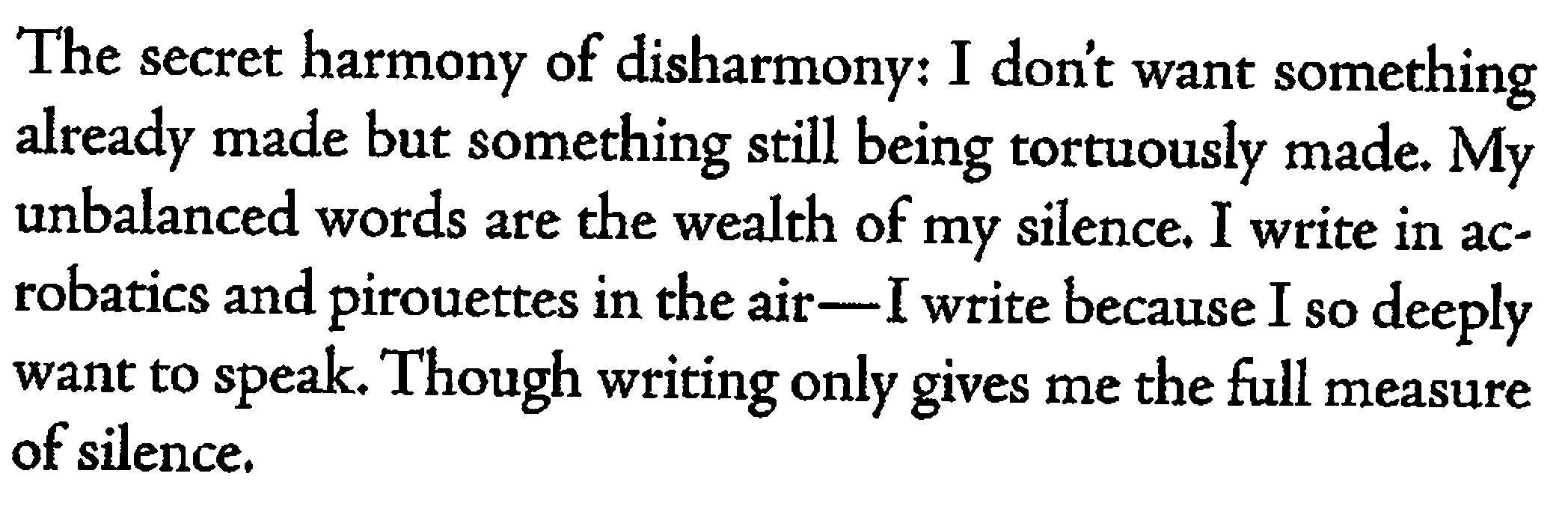
[5b]: Rasheed, Kameelah Janan (2023; 2021)



 ︎
︎